
Category 1 · 8 questions
Freight & volumetric weight — why it costs so much
Volumetric weight, volume-to-weight conversion, how an ocean CBM is figured, and how to check the math yourself so you're not overcharged on volume — every confusing number on your freight bill, explained one by one

How freight is figured
Read your freight bill,
and stop overpaying on volume
Volumetric weight, volume-to-weight conversion, how an ocean CBM is figured, and how to check the math yourself — every confusing number on your freight bill, explained one by one.
01Volumetric weight or actual weight — which one am I charged on?★
The rule in one line: both are calculated, and you're charged on the larger.
Logistics uses two kinds of "weight": the actual weight on the scale, and the volumetric weight worked out from the dimensions (also called volume weight). For air freight the most common conversion is: length × width × height (cm) ÷ 6000 = volumetric weight (kg) (some carriers use 5000 or 8000 — it depends on the carrier).
Take an example: a 60 × 40 × 30 cm carton has a volumetric weight of 72,000 ÷ 6000 = 12 kg.
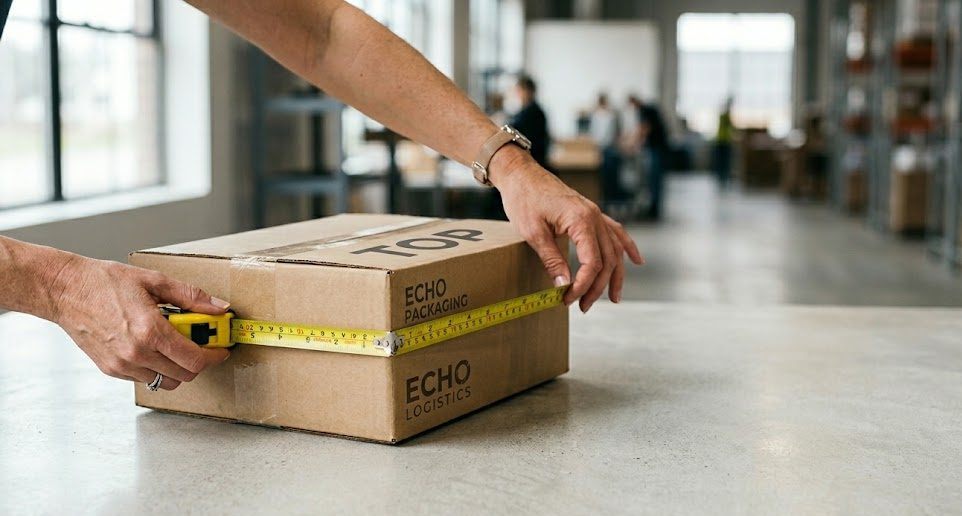
- If it's full of books, actual weight 20 kg → 20 beats 12, so you're charged on 20 kg.
- If it's a down jacket, actual weight 5 kg → 12 beats 5, so you're charged on 12 kg.
So the same box can cost very different amounts depending on what's inside. Next time the kilos on your bill come out heavier than the scale, don't fire off an angry message just yet — odds are your goods simply "take up too much space" and got caught by volumetric weight. To check the math yourself, see question 8 in this category.
For small personal orders, the above is enough; for higher volume or business shipments, message us on LINE and we'll handle a proper import for you.
02Is it normal for consolidators to bill by "volume weight"? What is volumetric weight, exactly?
It's normal, and the whole world bills this way — because planes and ships don't sell "weight," they sell "space."
Picture a cargo plane: the hold is only so big. If carriers charged by weight alone, someone could ship a hold full of foam — barely any weight, yet the whole plane is packed — and the airline would lose its shirt. So the industry came up with "volumetric weight": convert the space your goods take up into an "equivalent weight," compare it with the actual weight, and charge on whichever is larger. This isn't a trick Taiwan's consolidators invented — it's a standard rule across international air and ocean freight.
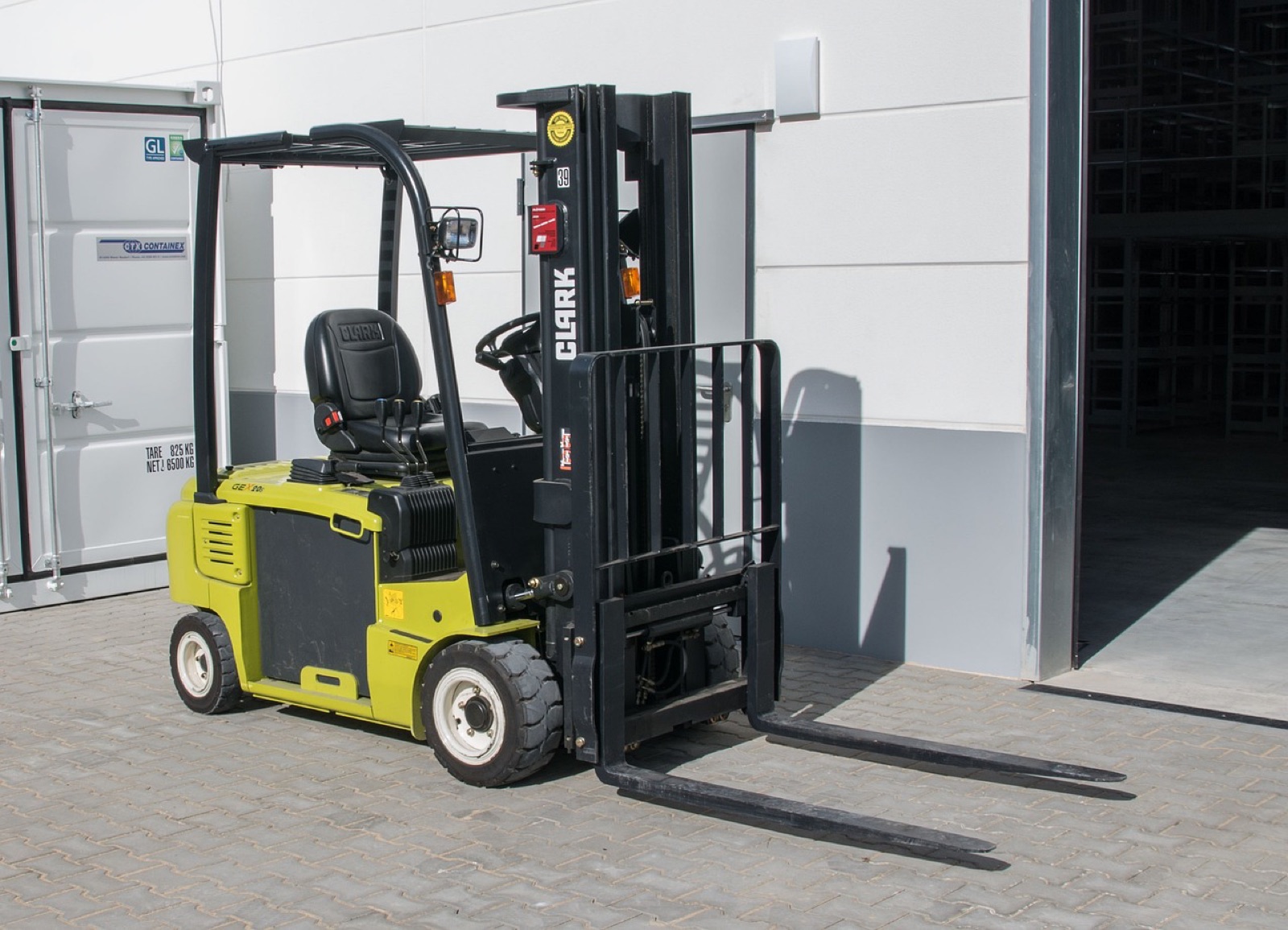
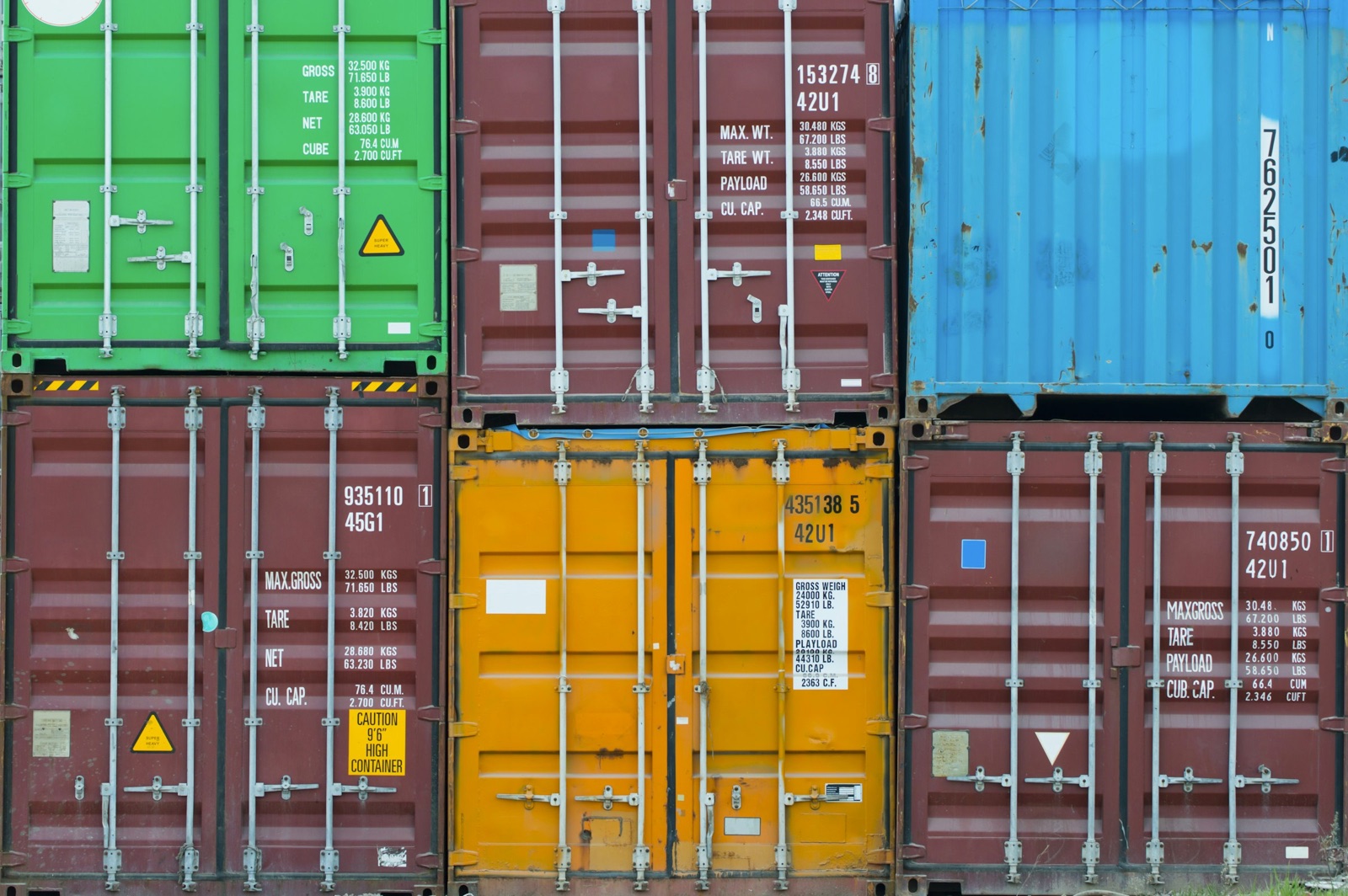
"Volume" has another meaning in ocean freight: in Taiwan the traditional unit is the cubic foot ("one CBF"), figured as length × width × height (cm) ÷ 28,317. When you see something like "NT$25 per cubic foot" on a quote, that's what it means.
So — being charged a volume fee isn't itself a rip-off; where you get burned is "how it's measured and how it's calculated" (measuring high not low, rounding up, quietly changing the conversion divisor). The rules are public, so you can absolutely check the math yourself — see question 8.
For small personal orders, the above is enough; for higher volume or business shipments, message us on LINE and we'll handle a proper import for you.
03Actual weight 0.01 kg but charged for 5 kg — what's going on with volumetric weight?
A bill like that looks a lot like a scam, but most of the time it's just an extreme case of volumetric weight.
The classic victims are large, fluffy, lightweight items: throw pillows, plush toys, foam, paper lanterns. To make it tangible: a 50 × 50 × 20 cm throw pillow might weigh under 0.5 kg actual, but its volumetric weight = 50,000 ÷ 6000 ≈ 8.3 kg — so you're charged on 8.3 kg, and the freight is suddenly ten-plus times what you pictured.
There's another common amplifier: packaging. A seller uses an oversized carton, stuffs it with bubble wrap, and the box ends up two sizes bigger than the product — and volume is measured at the outer edge of the box, not the product itself. So for the very same product, seller A using a snug box and seller B using an oversized one land you with two different freight charges.
Two practical tips: (1) before buying anything large and fluffy, do a quick "L × W × H ÷ 6000" in your head to estimate the volumetric weight, so you have a sense of the freight and aren't blindsided by the bill; (2) if your consolidation warehouse offers "combine-and-repack / vacuum-compress," these are exactly the items worth using it on — squeeze out the air and what you save is real money.
For small personal orders, the above is enough; for higher volume or business shipments, message us on LINE and we'll handle a proper import for you.
04Ocean pricing is all over the place — anywhere from NT$20 to NT$35 per cubic foot. Why?
For the same "cubic foot," quotes can differ by nearly double — usually for these five reasons:
① What's included differs. The cheapest quotes often cover only the "ocean leg"; clearance, destuffing and door delivery on arrival are all billed separately. Add the extras back in and the cheap one often ends up dearer. The first thing to ask about any quote: "At this price, what else gets added before it reaches me?"
② Route and transit time differ. A direct fast vessel vs. a slow one routed through extra ports — the cost is naturally different. The cheap one may mean waiting an extra week or two.
③ Peak vs. off-peak. Before 11.11 and before Lunar New Year, space is fought over and a 30% jump is normal; in the off-season rates are cut to the bone. Getting different prices at different times doesn't mean anyone's crooked.
④ Volume. Someone shipping full containers every month gets volume pricing; you shipping a couple of boxes now and then go on LCL groupage pricing. They were never going to be the same.
⑤ The most dangerous one: how the price was "engineered." Some rock-bottom rates are squeezed out by under-declaring value and misdeclaring the product — what's saved is duty, what's wagered is your cargo (if caught, you can face back-tax, penalties, even seizure). For any price far below the market, ask yourself first: is it generosity, or are they shifting the risk onto me?
For small personal orders, the above is enough; for higher volume or business shipments, message us on LINE and we'll handle a proper import for you.
05Is there really such a thing as "no volume charge" consolidation?
Honestly: almost never — and even when you see it, don't celebrate too soon.
As covered above, space is the cost in logistics. A company that says "no volume charge" is essentially announcing "I'm happy to lose money shipping your throw pillows" — and no such business exists. So when you see those words, it's usually one of three situations:
① It's clawed back elsewhere. The freight unit price is bumped up, with "oversize fees," "extra-light fees" and "packing fees" tacked on — add it all up and it's no cheaper.
② There's a catch. Read the fine print: limited to certain item types, or under a certain dimension, or "bulky-light goods billed separately" — and what gets caught by volume is precisely those bulky-light goods. It amounts to "no volume charge, except on goods that need a volume charge."
③ The cost is pushed back down with under- or misdeclaration. This is the worst kind: a sweetener on the surface, with the whole shipment's compliance risk buried underneath. If the cargo's fine, it's luck; if it goes wrong, it's your problem.
The healthy mindset: freight has no magic, only cost-shifting. Rather than chasing the "no volume charge" legend, pick an outfit that "measures accurately, calculates transparently, and gives you a bill you can read" — over the long run you'll save more, and sleep at night.
For small personal orders, the above is enough; for higher volume or business shipments, message us on LINE and we'll handle a proper import for you.
06If I import in small, frequent lots, is freight a lot more expensive than importing all at once?
Yes, and the gap is bigger than most people think. The reason is that a large chunk of freight is "fixed costs you pay once per shipment": the first-kilo rate (the first kilo is especially pricey), the minimum charge, clearance fees, and delivery. The more you split it up, the more times you pay these fixed costs over.
To feel it in numbers (assume a first kilo of NT$200 and NT$80 per additional kilo):
- Importing 30 kg at once: 200 + 29 × 80 = NT$2,520
- Three shipments of 10 kg each: (200 + 9 × 80) × 3 = NT$2,760, plus clearance fees and delivery ×3 on top.
At larger volumes the gap is even more dramatic — between LCL groupage and packing your own small container (a 20-foot box) there's a sweet spot, and once your volume reaches a certain point the "per-unit freight" of a full container drops a lot.
But don't overcorrect and stockpile half a year's goods just to save on freight: the capital cost of tied-up inventory and the risk of goods that won't sell can hurt more than the freight you save. In practice the balance point is usually to fix a shipping rhythm (say, consolidate once a month) so each shipment clears the minimum charge and spreads out the fixed costs, without choking your cash flow.
For small personal orders, the above is enough; for higher volume or business shipments, message us on LINE and we'll handle a proper import for you.
07How can I bring freight down further? (Legitimate ways only)
① Slim down the packaging — easiest to overlook, biggest payoff. Volume is measured at the outer edge of the box, so every size you shave off the box brings freight straight down. Vacuum-compression bags can cut the volume of clothing and bedding by more than half; ask the consolidation warehouse to combine-and-repack and ditch the seller's oversized original cartons — all of it pays off immediately.
② Pick the right mode, ocean vs. air. Non-urgent goods go by ocean, where the per-unit cost is often a fraction of air. Many people reflexively ship everything by air; just schedule purchasing three or four weeks earlier and the freight saved over a year is substantial.
③ Avoid peak season. After 11.11 and before Lunar New Year are rate peaks; anything you can prepare ahead, ship a month early.
④ Consolidate shipments and build up volume. Back to question 6: a fixed rhythm, batched to volume, spreads out the fixed costs; once volume is steady, negotiating a long-term rate with your forwarder beats one-off spot quotes every time.
⑤ Think twice before buying tall, bulky goods. For low-value, high-volume items (furniture, storage boxes, large toys), freight often costs more than the goods. Run the volumetric formula in your head before ordering — sometimes you'll find it's actually cheaper to buy in Taiwan.
One final counter-reminder: the floor for saving on freight is compliance. Any freight "saved" through under-declaring, misdeclaring the product, or splitting shipments to dodge tax just books penalty and seizure risk to your account — that's not saving, it's taking out a loan shark's loan.
For small personal orders, the above is enough; for higher volume or business shipments, message us on LINE and we'll handle a proper import for you.
08How do I check the volumetric math myself, so I'm not overcharged on volume?
There are really just three tricks people use to overcharge you on volume: measuring high not low (counting in bulges and handles, then rounding up), rounding up by several increments, and quietly changing the conversion divisor (agreed at ÷6000, billed at ÷5000). To beat them, all you need is a tape measure and your phone's calculator:
Step 1: Get the rules straight up front. Before shipping, confirm three things — which divisor (6000? 8000?), where it's measured (the outermost point of the box), and how decimals are rounded (up to 0.5 kg? to whole kilos?). If a provider can't spell these three out, that's a red flag.
Step 2: Photograph and measure when the goods arrive at the warehouse. Ask the warehouse (or do it yourself on receipt) to photograph the three-side dimensions. Remember: it's measured at the outermost point — if the box bulges, the bulge counts — so packing tightly is worth money.
Step 3: Apply the formula yourself. Length × width × height (cm) ÷ divisor = volumetric weight; compare with actual weight and take the larger. Example: 58 × 42 × 33 = 80,388 ÷ 6000 ≈ 13.4 kg; if the rule rounds up to 0.5, that's 13.5 kg.
Step 4: Reconcile against the bill. If the kilos on the bill differ from your figure by more than one rounding increment, take your photos and your math and ask. A straight outfit will walk you through it line by line; one that hems and haws and can't explain its measurement method — finish this shipment and switch.
These four steps cost you about three minutes per shipment — but they take you from "can't read the bill, just have to swallow it" to "have the evidence to hold a conversation," and the money and aggravation saved over time add up.
For small personal orders, the above is enough; for higher volume or business shipments, message us on LINE and we'll handle a proper import for you.